Comprehensive Guide to Partnership Agreement Attorneys: How Legal Counsel Can Help You Handle Legalities
Partnership agreements are essential for setting up clear relationships among business partners. However, maneuvering through the complexities of these legal documents can be overwhelming. A partnership agreement attorney plays an important role in preparing these agreements, making certain they meet legal standards and handle potential disputes. Grasping the intricacies of partnership agreements and the benefits of retaining a legal expert can significantly impact the foundation of any business venture. What key components should partners consider before drafting their agreement?
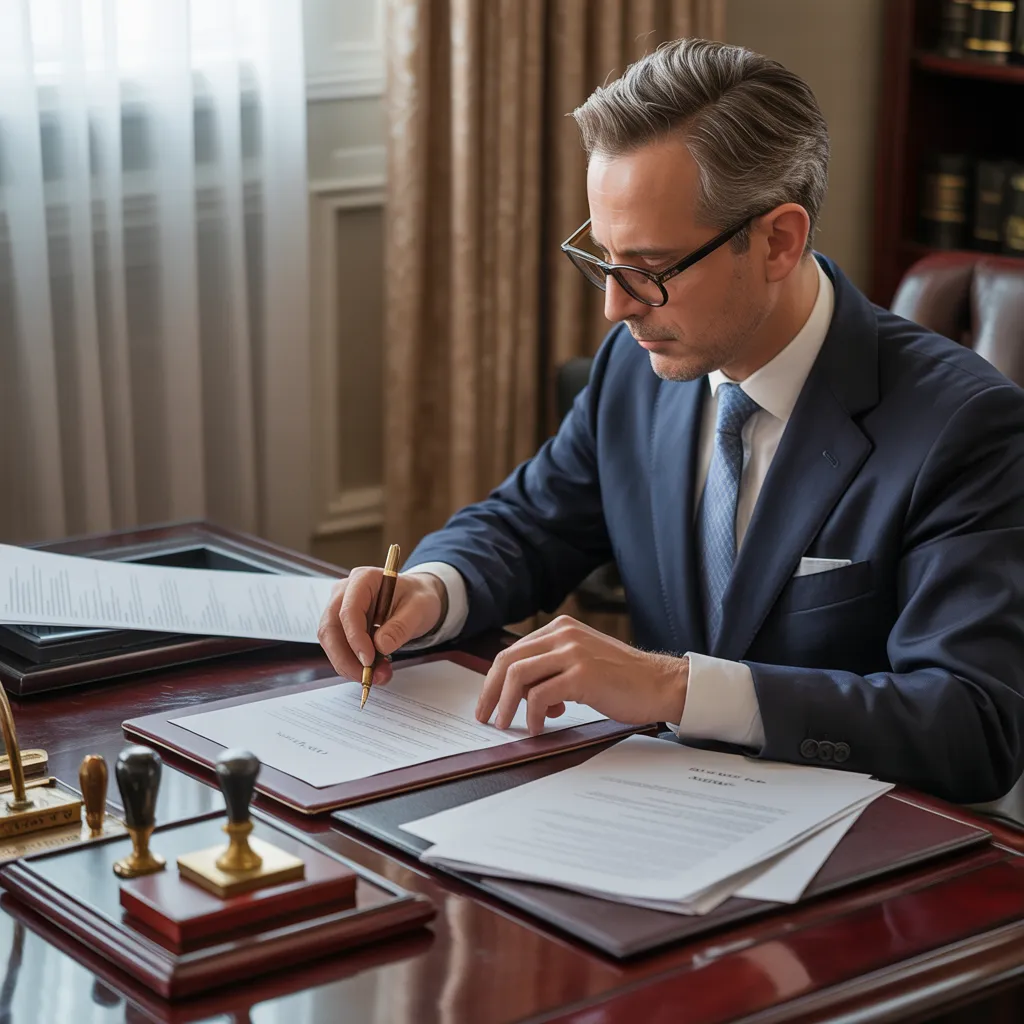
Grasping Business Partnership Agreements
Though partnership agreements can differ greatly in their content and structure, they primarily serve to establish the relationships and responsibilities between partners in a business. These legal documents set forth the terms under which partners operate, specifying contributions, profit-sharing, and decision-making processes. A carefully drafted partnership agreement explains the roles of each partner, limiting potential conflicts and misunderstandings. It usually includes provisions for dispute resolution, outlining steps to resolve disagreements peacefully.
Furthermore, the agreement outlines the process for adding or removing partners, guaranteeing that all parties are aware of the consequences of such changes. By establishing clear expectations and legal frameworks, partnership agreements boost transparency and accountability among partners, promoting a cooperative business environment. Finally, understanding these agreements is essential for anyone embarking on a partnership, as they serve as the foundation for a effective and amicable business relationship.
What a Partnership Agreement Lawyer Does
Partnership agreement legal professionals play a critical part in the creation and oversight of partnership agreements, making certain that the terms reflect the objectives and necessities of all parties involved. They supply vital legal guidance during the negotiation phase, supporting partners grasp their rights and obligations. By examining each party's objectives, these attorneys develop agreements that address important issues such as profit-sharing, decision-making authority, and dispute resolution approaches.
Furthermore, partnership agreement attorneys ensure compliance with applicable laws and regulations, reducing potential legal pitfalls. Their expertise includes drafting well-defined and enforceable terms, which can avoid misunderstandings get details on this and conflicts in the future. Additionally, they may aid in amending existing agreements as business conditions transform or as relationships mature. Ultimately, partnership agreement attorneys function as important advocates, facilitating smooth collaboration among partners while safeguarding their interests and legal rights throughout the partnership's lifespan.
Main Elements of a Partnership Agreement
Although multiple factors may affect a partnership agreement, numerous fundamental aspects are necessary for building a robust framework between partners. To begin with, the agreement should outline the partnership's purpose and objectives, specifying the business's scope. Subsequently, detailing each partner's contributions, such as financial, property, or services, is vital for transparency. Thirdly, the agreement must outline profit and loss distribution, guaranteeing all partners comprehend their financial entitlements.
Additionally, it should address decision-making processes, specifying how major decisions are made and what constitutes a quorum. Mechanisms for conflict resolution are also crucial, providing approaches for addressing disputes fairly. In conclusion, the agreement should include terms for partnership ending or withdrawal, ensuring partners understand the process for exiting the business. By incorporating these vital components, partners can create a comprehensive agreement that decreases misunderstandings and strengthens their collaborative efforts.
Benefits of Employing a Lawyer for Your Partnership Agreement
Hiring a lawyer for drafting a partnership agreement can greatly enhance the clarity and effectiveness of the document. A knowledgeable attorney brings expertise in legal terminology and structure, ensuring that all essential components are accurately represented. This professional insight assists in prevent misunderstandings or ambiguities that could result in disputes in the future.
Additionally, a lawyer can tailor the agreement to satisfy the unique needs and goals of the partners involved, accounting for unique circumstances that may not be apparent to non-lawyers. They can also identify potential legal pitfalls and provide counsel on how to mitigate risks associated with partnership operations.
Furthermore, involving a lawyer as part of the team can promote a sense of professional credibility, which may boost trust among partners. Finally, retaining a lawyer to draft a partnership agreement promotes a smoother partnership formation and builds a solid foundation for productive collaboration.

Guide to Finding the Right Partnership Agreement Legal Professional
How does one ensure they pick the correct legal professional for their partnership arrangement? First, individuals should identify attorneys who specialize in partnership law. This can be achieved through online research, referrals from trusted colleagues, or local bar association directories. Subsequently, prospective attorneys must be assessed according to their expertise and history with comparable contracts. Scheduling introductory sessions with prospective legal professionals permits evaluation of their communication techniques and awareness of unique partnership demands.
Another critical step is reviewing client testimonials and case studies to assess satisfaction levels and success rates. Moreover, discussing fee structures upfront is critical to secure budget alignment. Finally, individuals should heed their instincts; the right attorney should inspire confidence and demonstrate a commitment to representing their best interests. By following these recommendations, individuals can make an informed decision when selecting an attorney for their partnership agreement.
Common Questions
What Are Common Mistakes to Steer Clear Of in Partnership Agreements?
Standard mistakes to avoid in partnership agreements include ambiguous roles, substandard conflict resolution mechanisms, failing to address financial contributions, neglecting exit strategies, and failing to address intellectual property rights, which can lead to disputes and misunderstandings.
How Long Will It Take to Create a Partnership Agreement?
Drafting a partnership agreement typically takes 1-3 weeks, based on the intricacy of the business, the number of partners included, and the precision of the partnership's goals and terms.
Can You Modify a Partnership Agreement at a Later Date?
Certainly, a partnership agreement may be modified at a later time. Usually, changes necessitate the consent of all partners and should be formalized in writing to provide clarity and eliminate disputes concerning the updated terms of the agreement.
What Happens When Partners Have Disagreements About the Agreement Terms?
Should partners dispute the agreement terms, they might experience conflicts that can bring about negotiations or mediation. Should these disputes remain unresolved, they could escalate to legal action, possibly threatening the partnership's stability and future.
Are There Particular State Laws That Govern Partnership Agreements?
Yes, certain state laws oversee partnership agreements, differing by jurisdiction. These regulations determine formation, management, and dissolution processes, emphasizing the necessity of understanding regional regulations to guarantee compliance and protect partners' rights.